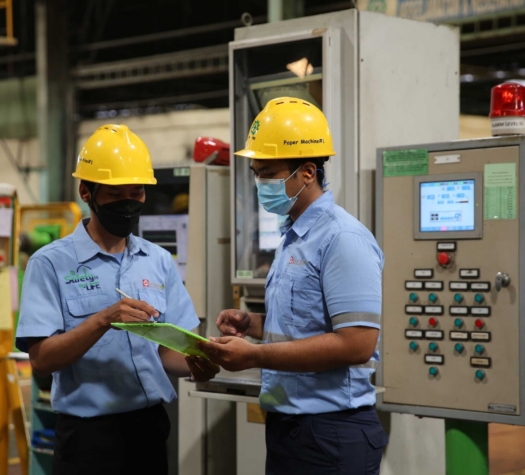
APP Cuts Grievance Resolution Time Through Anonymous Channel for Third-Party Workers

All workers should have access to grievance mechanisms, including third-party or subcontracted workers. These recommended steps may, if adopted, help businesses individually fulfil their human rights due diligence responsibilities per the UN Guiding Principles on Business and Human Rights, with a focus on ensuring access to remedy for all categories of workers.
Map who the third-party workers are across your operations and build profiles of risk. Understand where they work, if they migrated, where they came from, how they are engaged (whether they are hired through a service provider), and whether factors like language, migration status, literacy, or access to technology could affect how they raise concerns.
Conduct a structured review of how well existing grievance mechanisms serve third-party workers. Identify areas where access, awareness, or effectiveness may be limited, and prioritise improvements based on risk and worker input. Regular reassessment helps track progress over time and ensure continuous improvement.
Update your grievance mechanism policy to explicitly include third-party workers. This includes stating protections against retaliation and confidentiality. Consider whether these commitments may be reflected in contracts with labour providers and third-party agencies.
Ensure that third-party workers and their representatives understand the grievance options available to them. Use accessible formats and repeat messages regularly—through onboarding, printed materials, digital tools, and meetings.
Provide more than one channel to raise concerns. Channels may include hotlines, suggestion boxes, mobile apps, or designated contact persons. Consult workers to determine which channels they trust and feel safe using.
Include information about grievance mechanisms in onboarding processes for third-party workers. Offer ongoing training to reinforce awareness, emphasising that concerns can be raised confidentially and without retaliation.
Make grievance channels accessible at all times, including outside of regular work areas and hours. Avoid channels that require workers to report directly to line managers. Offer anonymous options and ensure no retaliation occurs.
Establish a clear process for how grievances are received, reviewed, and resolved. This should include timelines, defined roles, escalation pathways, confidentiality measures, and an appeal mechanism. Share this process with workers and labour providers and third-party agencies.
Track how the grievance mechanism is used and whether it is delivering fair outcomes. Gather feedback from workers and review case data to inform continuous improvement. Periodic reassessment supports long-term effectiveness.
Publish anonymised grievance data, including the number and type of grievances raised, how they were resolved, and any systemic issues identified. Regular reporting supports accountability and builds trust with workers and stakeholders.
Members examples